When Tailbone Pain Becomes a Problem
If you have ever tried to sit, ride in the car, have a bowel movement, or enjoy intimacy and suddenly felt a sharp ache deep in the base of your spine, you know exactly what a literal pain in the arse feels like. Tailbone pain, known medically as coccydynia, can interfere with daily life in a way that is both frustrating and confusing. Many people do not know what is causing it, how serious it is, or what to do about it.
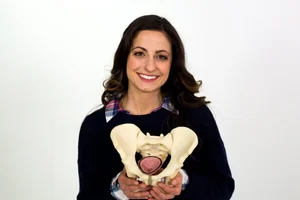
Coccydynia affects the coccyx, the small triangular bone at the very end of the spine. It sits just below the sacrum and serves as an anchor point for several pelvic floor muscles, including the coccygeus, iliococcygeus, and pubococcygeus. Important nerves, such as the anococcygeal and inferior rectal nerves, travel through this area. Because of this anatomy, small changes in the tissues around the tailbone can create significant pain or discomfort.
What Coccydynia Feels Like
The symptoms of coccydynia are usually described as tenderness directly over the tailbone or in the surrounding tissues. Sitting often makes symptoms worse, especially when leaning back or putting weight onto the coccyx. Some people feel discomfort during or after a bowel movement. Others describe a fullness or pressure in the anus or rectum, sometimes compared to a golf ball sensation.
Pain can feel dull and achy or sharp and stabbing. Some people experience pelvic floor spasms that come out of nowhere. Spasms may occur after an orgasm, during a bowel movement, or after a period of sitting. Tailbone pain can also make it difficult to control gas or bowel movements, which can feel alarming if you do not know why it is happening.
Common Causes of Tailbone Pain
Coccydynia can develop for many reasons. One reason might be due to involuntary tension or clenching in the pelvic floor muscles. When these muscles stay tight, the nerves and tissues around the tailbone can become irritated.
Constipation and hemorrhoids often contribute to the problem as well. Frequent straining during bowel movements creates repeated stress to the coccyx and the surrounding nerves.
Direct trauma is another major cause. A fall onto the tailbone or a hard impact during sports can trigger pain that lingers long after the initial injury.
Prolonged sitting on hard surfaces or on seating that your body is not accustomed to can also irritate the area. Pain may develop over time from repetitive pressure or awkward sitting positions.
Coccydynia can also be referred from problems in the lower back or sacrum.
Childbirth is another potential cause. A long or difficult labor can strain the tailbone and the muscles surrounding it.
Hypermobility, which means your joints move more than average, can also play a role. If the tailbone is overly mobile and the pelvic floor muscles are not providing enough support, pain may develop during activities that involve exertion or bearing down.
No matter the cause, there are effective strategies to ease irritation, calm the nerves, and reduce pain.
Treatment for Tailbone Pain Relief
Pelvic Floor Focused Relaxation
Find a reclined or lying down (or standing) position that feels comfortable and that you can maintain for several minutes. You might place your lower legs on a bolster, rest your feet against a wall, hold your knees toward your chest, or remain on your side. Support is the goal, not a specific pose.
Place a hand on your chest and your other hand on your belly. Notice the movement of your breath. Take three to five slow, soft, steady breaths, allowing the breath to expand your chest, belly, and pelvic floor. Bring awareness down to the space between your sit bones. This type of breathing is sometimes called butthole breathing. The name is lighthearted, but the technique is highly effective for encouraging pelvic floor relaxation.
Pelvic Drops
Once the muscles begin to soften, you can move into pelvic drops. Pelvic drops combine breath work with gentle abdominal activation to help the pelvic floor lengthen a little further.
Start with a slow, soft inhale. As you exhale, lightly purse your lips as if you are blowing out birthday candles. Use a gentle abdominal contraction to assist your pelvic floor in lengthening and relaxing. This is not a forceful push. You are guiding the muscles to let go a little more. Repeat this for three to five breath cycles.
Movements To Ease Pelvic Pain
The Figure 4 stretch is a go-to option because it targets the pelvis, hips, and tailbone region all at once.
Lie on your back and cross one ankle over the opposite knee. Stay in this position if you already feel a stretch, or place the foot on a yoga block to increase the sensation. Begin with small pelvic movements. Rock your pelvis forward as you inhale and backward as you exhale. Keep the movement relaxed and subtle. Perform three to five gentle rocks.
Next, with your ankle still crossed, add three gentle rotations by lowering your knees side to side. These movements are meant to be soft and controlled. After you finish, switch sides and repeat the sequence.
Internal Pelvic Floor Release with a Pelvic Wand
Some people benefit from internal release of the deeper pelvic floor muscles that attach to the tailbone. Tools such as the Intimate Rose Wand or the Serenity Wand can help improve mobility and reduce tenderness in these muscles. Internal work is not always necessary, and it should be done carefully.
Please consult with your pelvic floor therapist for individualized assessment and treatment prior to initiating any treatments.
A step-by-step live demo model guided sequence to calm irritated nerves, reduce muscle tension, and restore comfort in the tailbone region is available on Patreon https://www.patreon.com/cw/drsusieg
This information is not intended to substitute for professional medical advice, diagnosis, or treatment. Always seek the advice of a healthcare professional with any questions you may have regarding treatment, medications/supplements, or any medical diagnoses. This information is intended for educational purposes only and is in no way to substitute the advice of a licensed healthcare professional.